You’re Not Too Busy. Your Life Just Has No White Space.

Most people aren’t busy in the way they think they are.
They’re not running on pure productivity or choosing between things that truly matter. They’re living inside a schedule that leaves no room to pause, adjust, or choose differently.
Every hour has a purpose. Every gap gets filled. Not intentionally…..just gradually.
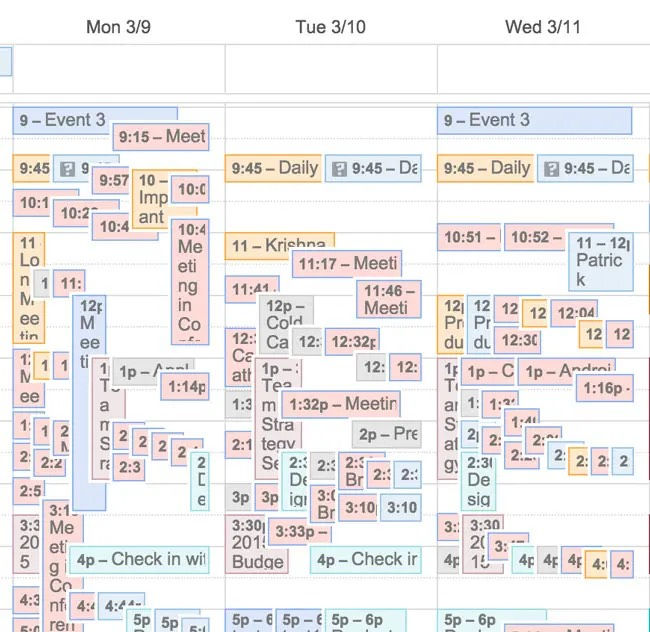
Work spills into home. Notifications fill the quiet moments. Even rest has a job now: scrolling, catching up, zoning out. Everything is working, but there’s no room for anything new.
So when something like fitness comes up, it feels unrealistic to add. Not because it’s hard, but because there’s nowhere to put it.
That distinction matters.
Most people don’t struggle to take care of themselves because they don’t care. They struggle because their lives are already spoken for. By expectations. By routines that grew without permission. By obligations that feel fixed simply because they’ve been there a while.
White space used to exist naturally. Walking between places. Waiting. Small pauses that allowed for decisions to be made instead of avoided.
Now those moments are rare. And without them, starting anything new feels like adding weight to an already full plate.
That’s why “I don’t have time” is usually shorthand for something else.
What people often mean is:“I don’t have room.”
Room to be new at something.
Room to move without it turning into another performance.
Room to show up imperfectly without it becoming one more thing to manage or fail at.
A full calendar can look impressive, but it doesn’t always reflect a life that feels steady or supported. It often just means there’s no margin for change.
And without margin, even good habits feel heavy.
This is where fitness gets misunderstood.
It’s often presented as something that needs to be stacked on top of everything else. More effort. More discipline. More structure added to days that are already tightly packed.
But fitness doesn’t work best when it’s treated like another demand.
It works best when it creates space.
Space to move your body without being productive.
Space to slow down without guilt.
Space to do something that isn’t tied to an outcome, a deadline, or a metric.
For a lot of adults, movement is one of the only times they’re not required to be useful, responsive, or available. When it’s done right, it doesn’t take from your life…..it gives something back to it.
Energy.
Clarity.
A sense of physical presence that gets lost when everything lives in your head.
The problem isn’t that people don’t know exercise is important. They do. The problem is that their lives don’t allow for anything that requires intention without negotiation.
Every decision becomes a conversation.Every plan requires justification.Every habit has to compete with something louder.
So it gets postponed. Quietly. Repeatedly.
Not out of laziness….but out of saturation.
And over time, that lack of white space starts to show up in subtle ways. Stiffness. Fatigue that doesn’t match effort. Feeling disconnected from your body even though you’re “fine.”
None of that happens overnight. It’s the slow result of days that never open up.
The solution isn’t finding more hours.It’s reducing the pressure around the ones you already have.
Movement doesn’t need to be dramatic to be effective. It doesn’t need to overhaul your identity or demand a long-term promise on day one. It just needs room to exist without being evaluated.
When fitness becomes one of the few places in your week that isn’t rushed, measured, or multitasked, it stops feeling like one more responsibility. It becomes a reset.
Not louder. Not harder. Just intentional.
White space isn’t about doing nothing. It’s about having enough margin to choose something that supports you before everything else makes the decision for you.
And for a lot of people, that choice doesn’t start with motivation….but with permission.
Permission to try without committing.
Permission to show up without pressure.
Permission to create a little room where there hasn’t been any for a while.
Because when there’s no white space, even good things feel heavy.
And when there is, change doesn’t feel so hard to begin.


